
What are Implant-Supported Bridges?
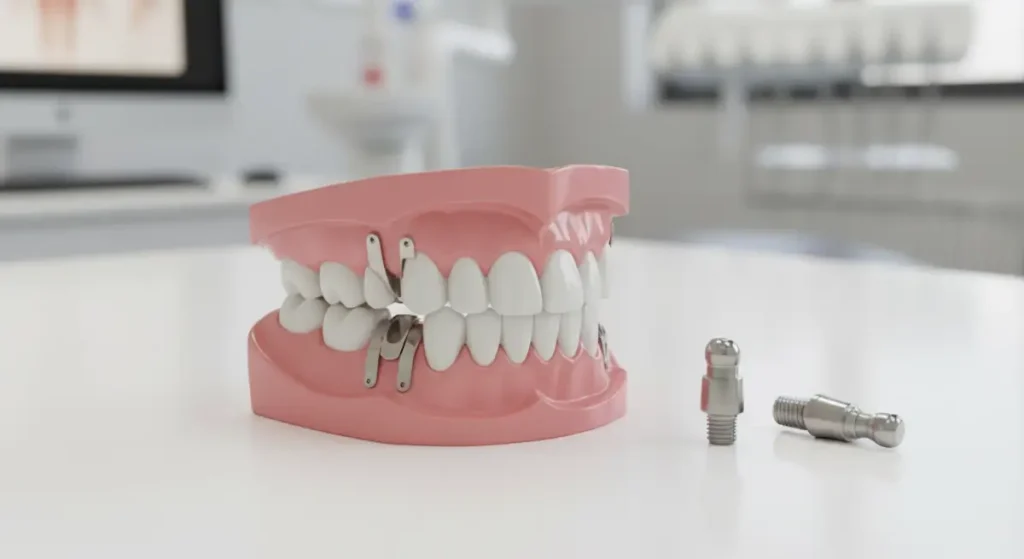
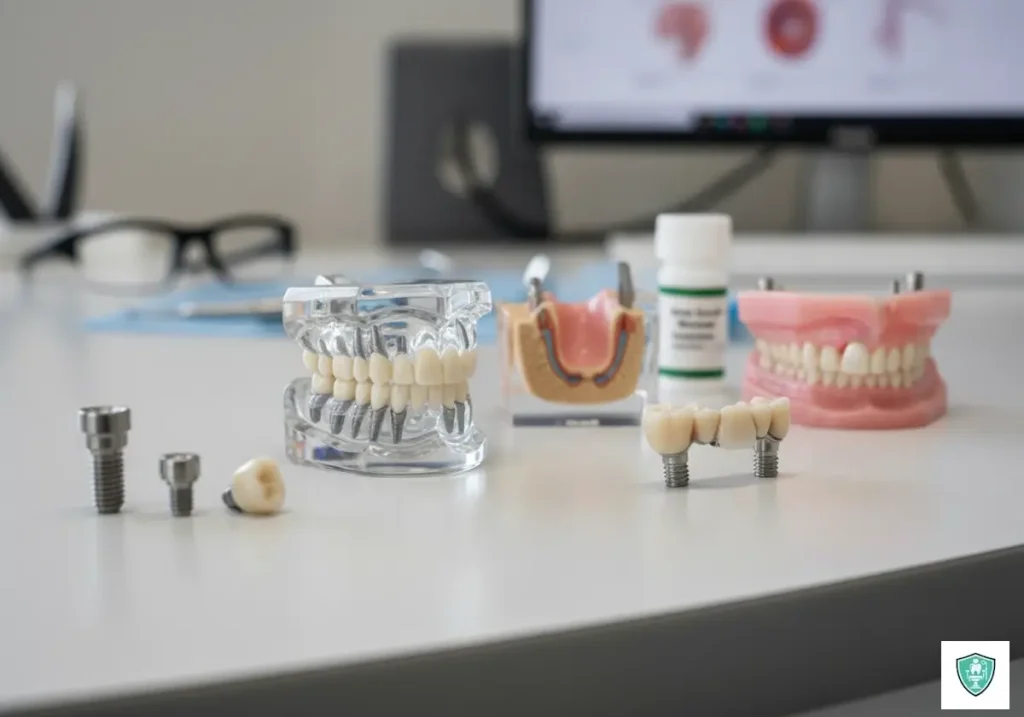
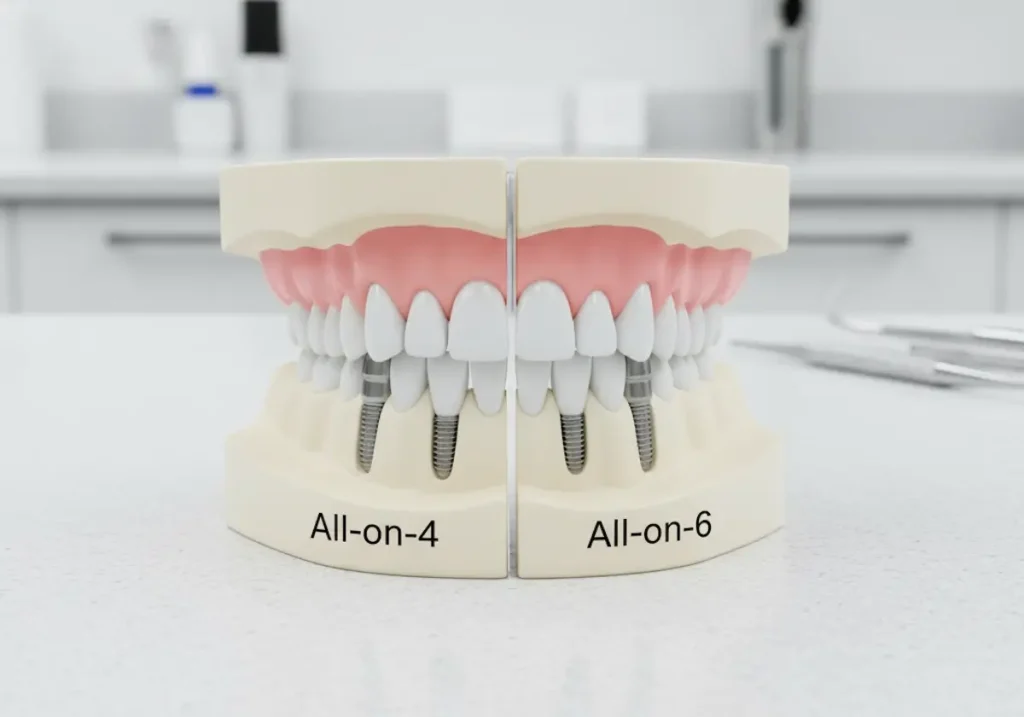
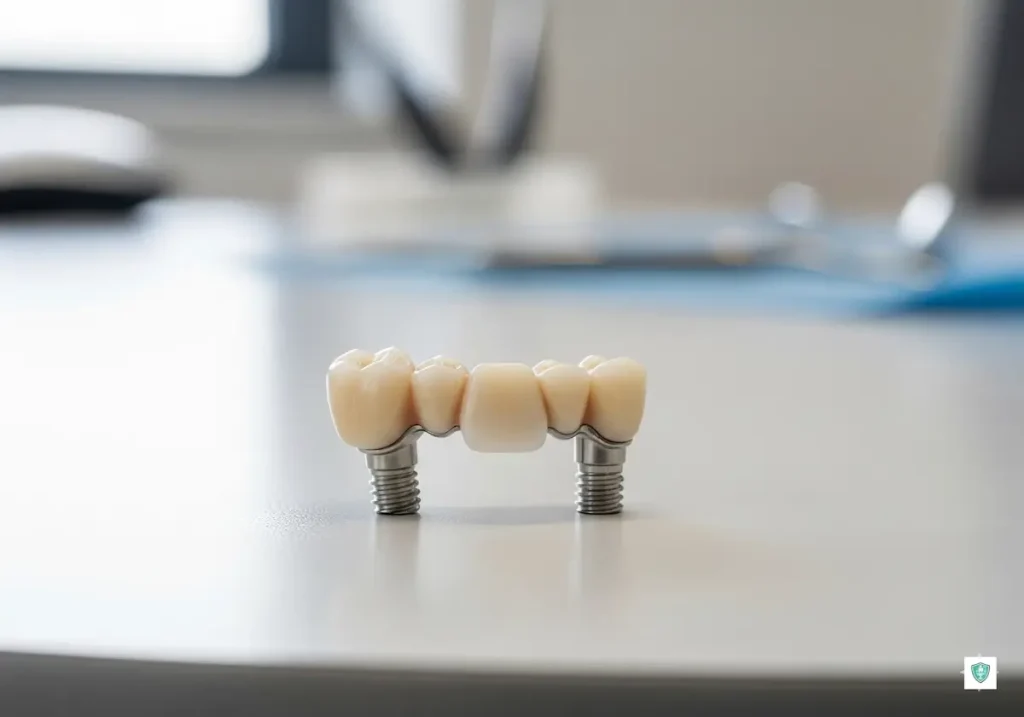
Implant-supported bridges involve placing implants in the area where missing teeth are located and securing the bridge prosthesis to these implants. Unlike traditional bridges, there’s no need to cut down healthy teeth. Implants provide the bridge’s support points and mimic natural tooth roots.
Advantages
- Natural Appearance: Natural aesthetics are achieved with materials that match the tooth color.
- Durability: It shows high resistance in terms of chewing function.
- Does not harm neighboring teeth: There is no need to cut healthy teeth.
- Long-Lasting Solution: With proper maintenance, it can be used for 15 years or more.
- Protects Oral Health: Prevents osteoporosis and tooth displacement.
Areas of Use for Implant-Supported Bridges
- In cases of single tooth loss, to prevent damage to adjacent teeth
- More than one tooth missing
- In patients with sufficient jaw bone, a fixed prosthesis is needed.
- Individuals with aesthetic concerns
Application Process
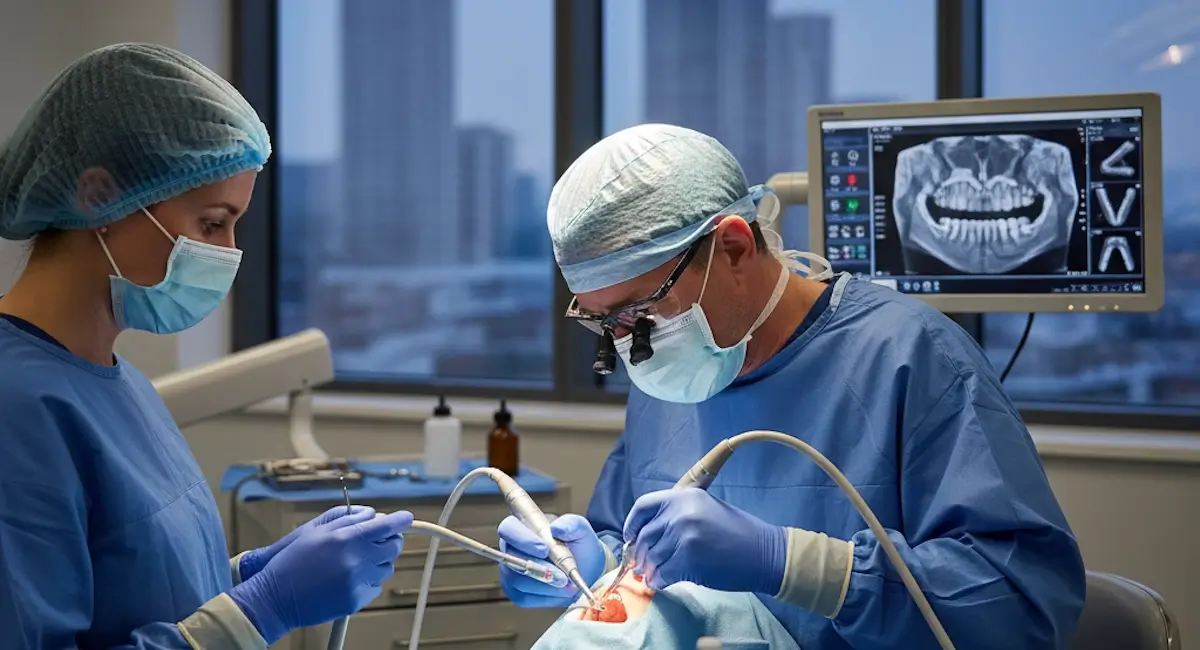
- Examination and Planning: Implant placement plan is made with radiological examinations and 3D imaging.
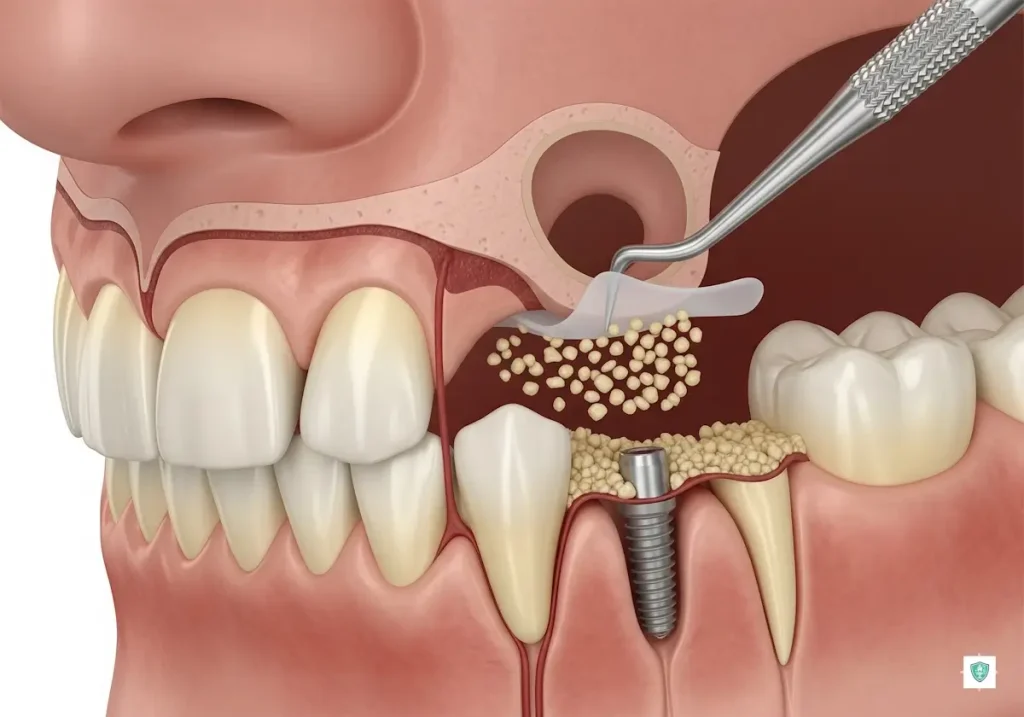
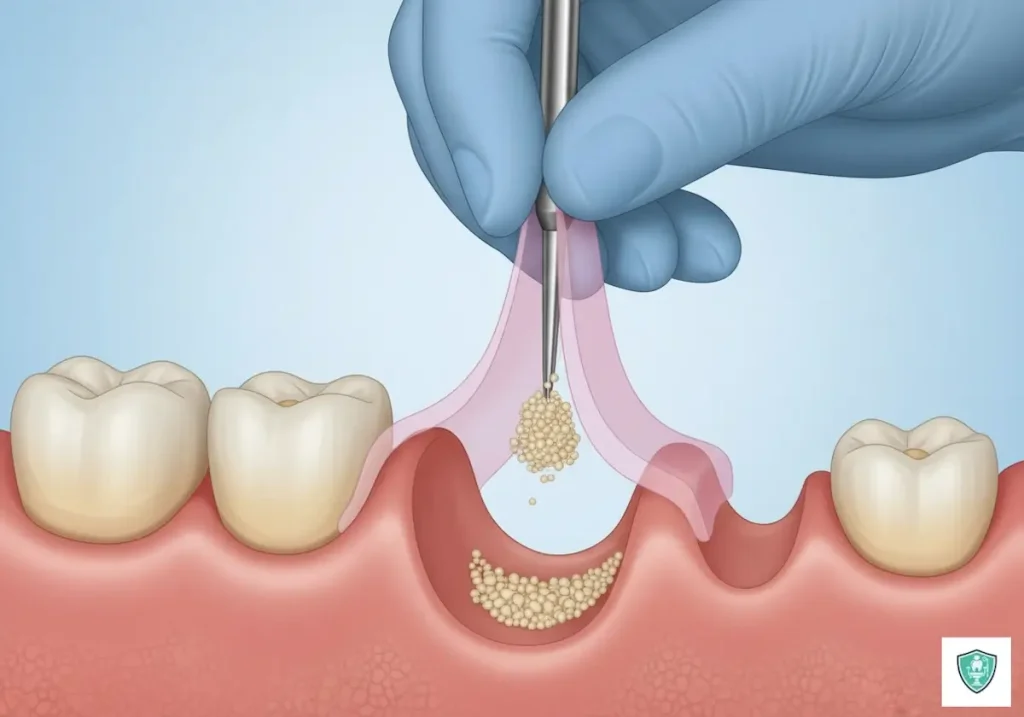
- Implant Placement: An appropriate number of implants are surgically placed in the missing tooth area.
- Healing Process: It takes 3–6 months for the implants to fuse with the bone.
- Preparation of the Bridge: Measurements are taken and a personalized fixed bridge is prepared.
- Attaching the Bridge: The permanent prosthesis is completed by fixing it on the implants.
Post-Procedure Care
- Regular brushing and flossing
- Avoiding hard foods
- Regular dentist check-ups
- Limiting smoking
Disadvantages of Implant-Supported Bridges
- It requires a surgical procedure.
- The recovery period is longer than that of conventional bridges.
- Initial costs may be higher than traditional methods.