
What is a Dental Implant?
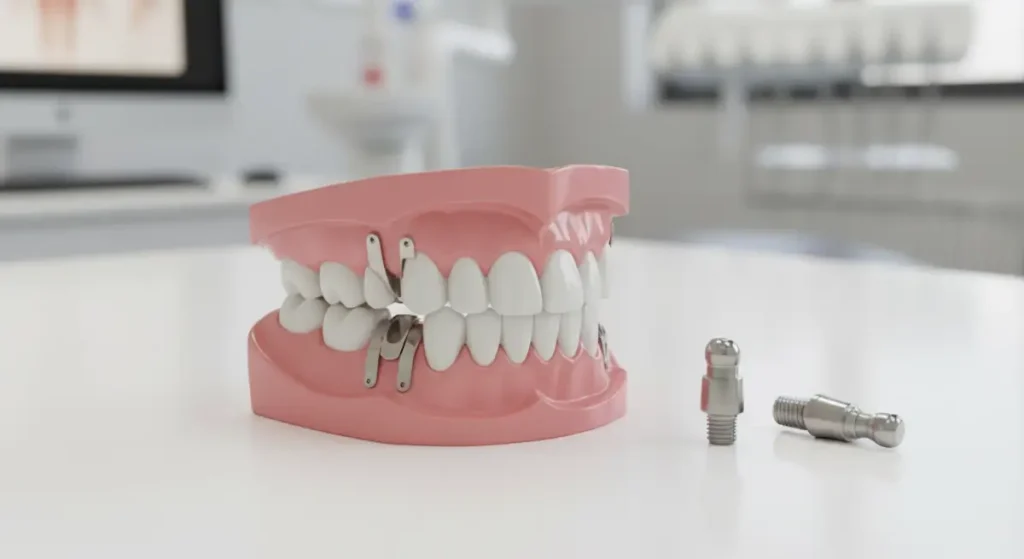
A dental implant is a titanium screw system that mimics the root of a lost tooth. Placed in the jawbone, the implant is completed with porcelain or zirconium crowns. This provides both a natural-looking tooth aesthetic and restores chewing function.
The use of titanium implants ensures high compatibility with body tissues. This biocompatible material helps the implants fuse with bone tissue, maintaining stability for many years.
Advantages of Dental Implants
- Provides the closest appearance and function to natural teeth.
- Prevents osteoporosis by stimulating the jaw bone
- It does not harm neighboring teeth and offers an independent treatment option.
- It is long-lasting and can be used for a lifetime with regular maintenance.
- Provides comfortable use and supports speaking and chewing functions.
Who Can Have Dental Implants?
Dental implants may be considered for individuals who are in good general health and have sufficient bone volume in the jaw. However, additional evaluation may be necessary in the following cases:
- Systemic diseases such as diabetes
- Long-term smoking
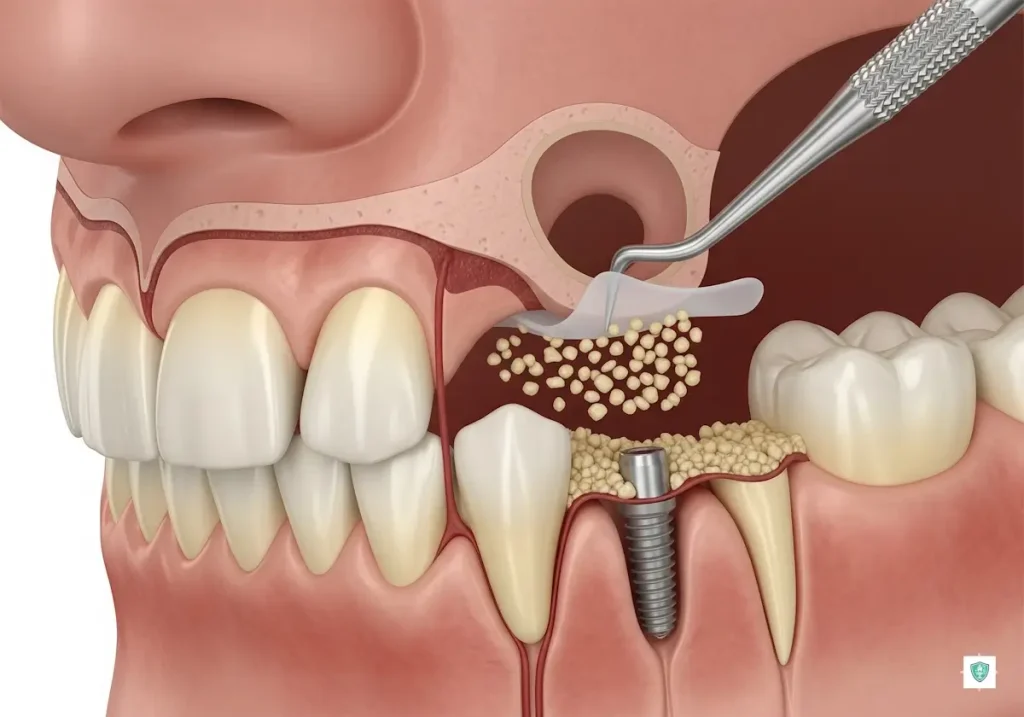
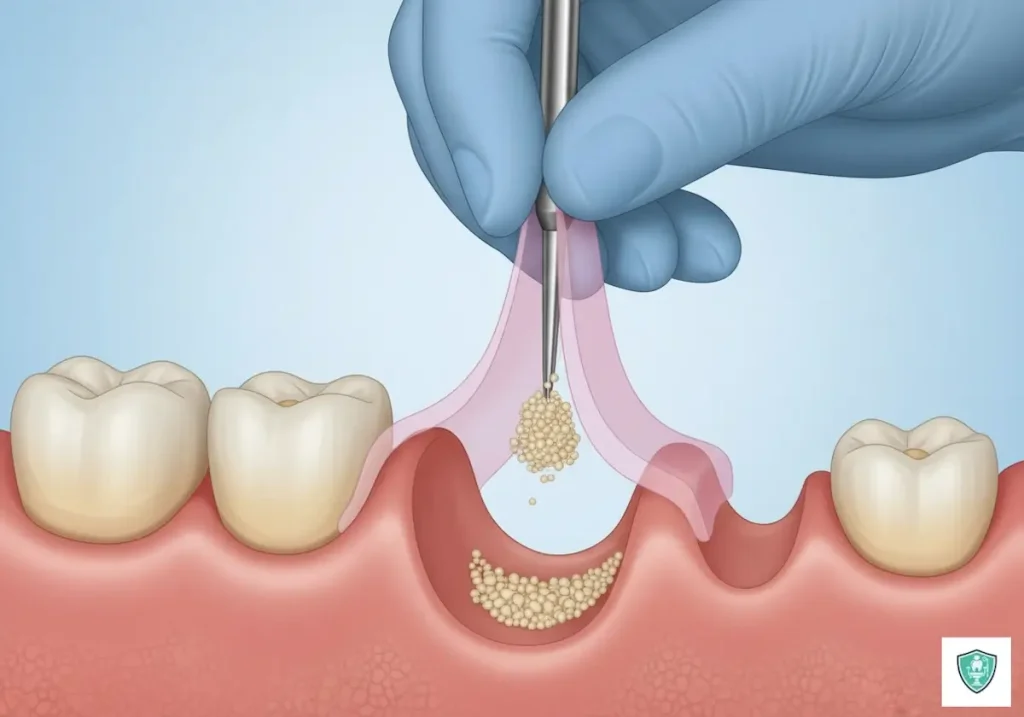
- Insufficient jaw bone (bone graft or sinus lift may be required)
- Uncontrolled periodontal diseases
The patient’s suitability for implantation is determined through detailed examination and imaging methods.
Implant Treatment Process
Implant application takes place in several stages:
- Examination and planning: The jaw structure is evaluated with panoramic x-ray or 3D tomography.
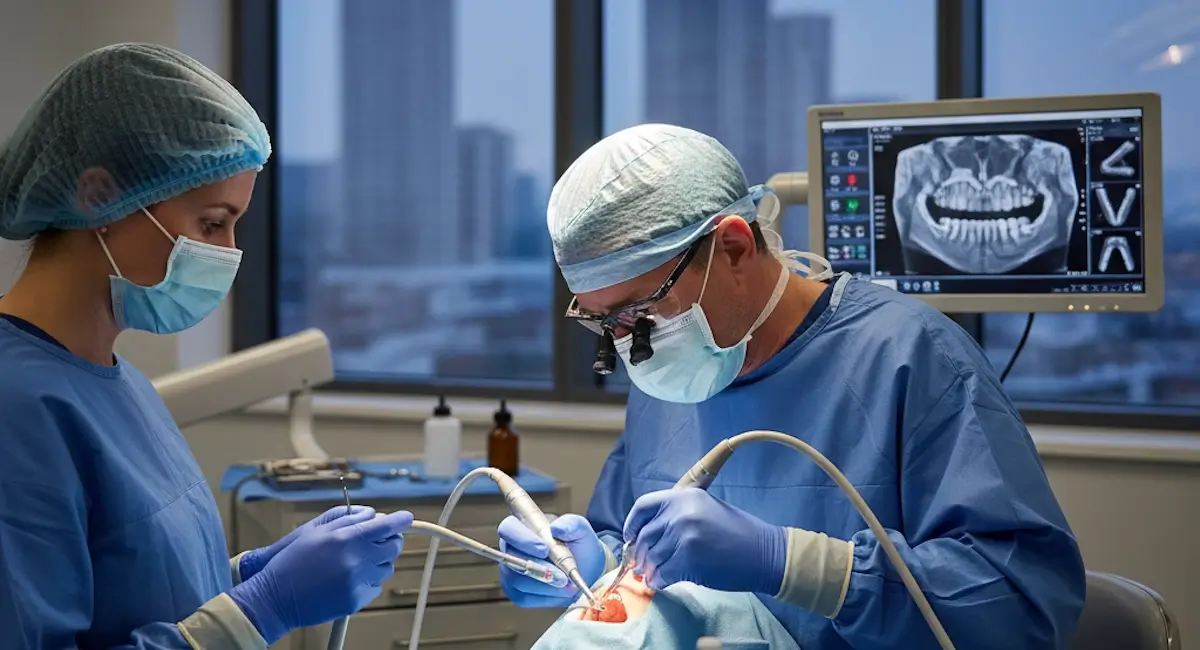
- Surgical application: Under local anesthesia, the implant screw system is placed into the jaw bone.
- Healing process: It takes 2-6 months for the implant to fuse with the bone.
- Prosthetic phase: Porcelain or zirconium coating is placed on the implant.
In some cases, the implant and crown can be placed in the same session (immediate loading). This method shortens treatment time in suitable cases.
Types of Dental Implants
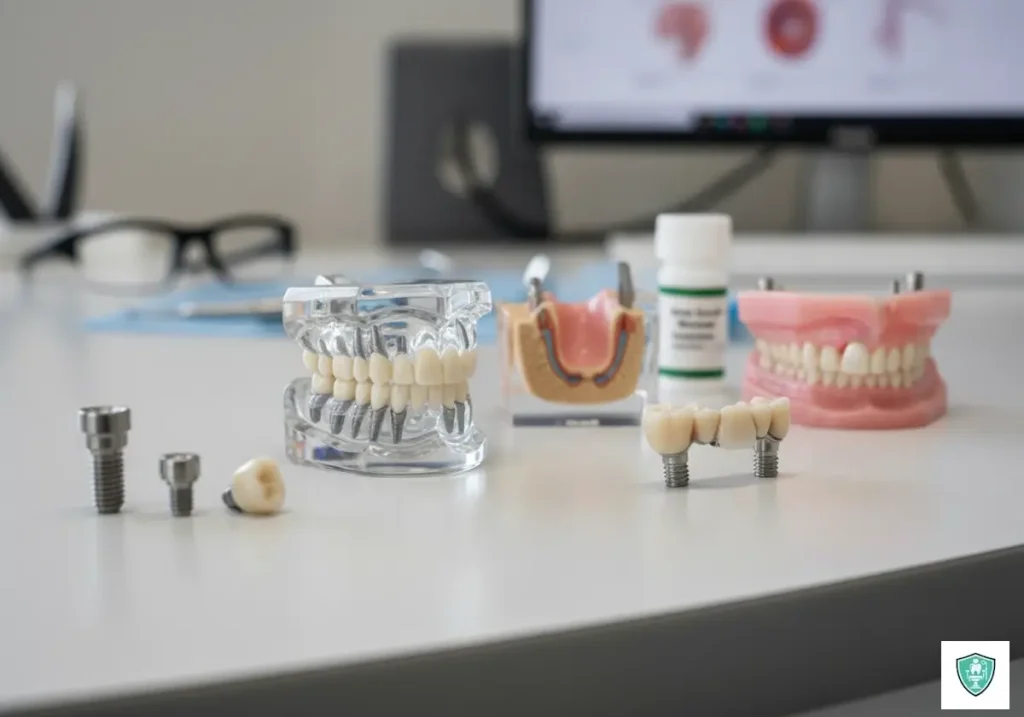
- Single tooth implant: It is applied in cases where a single tooth is missing.
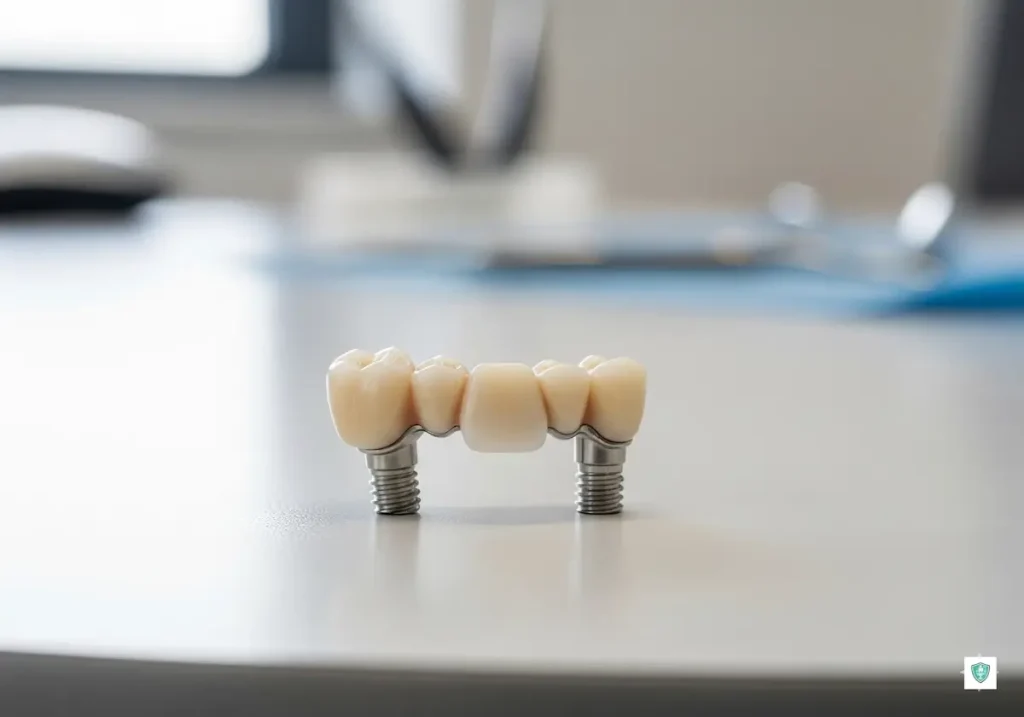
- Implant-supported bridge: Used when more than one tooth is missing.
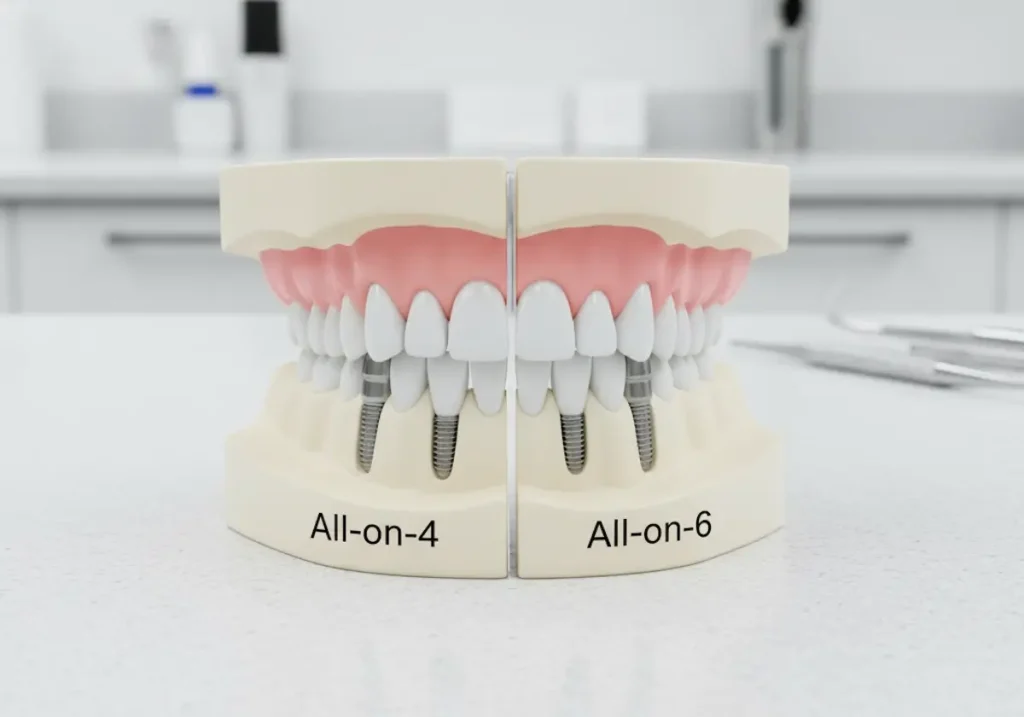
- All on 4 / All on 6: In cases where all teeth are missing, 4 or 6 implants are placed for a fixed prosthesis.
- Implant-supported dentures: Provides more stable use of removable dentures.
Maintenance and Recommendations
Regular care is crucial for the success of implant treatment. Implants should be brushed, flossed, or cleaned with interdental brushes just like natural teeth. Regular dental checkups also ensure the longevity of the treatment.
Risks and Complications
While implant treatment has a high success rate, it does carry risks. Infection, implant failure, or problems with surrounding tissues are rare. These risks can be minimized with proper planning by an experienced physician.
Dental Implant Treatment in Antalya
Antalya is a leading city in implant treatment thanks to its modern dentistry practices. The region’s well-equipped clinics and expert dentists provide reliable implant treatment. Dr. Hatice Çetin utilizes up-to-date implant techniques to deliver successful results for her patients, both aesthetically and functionally.