What is Bone Graft?
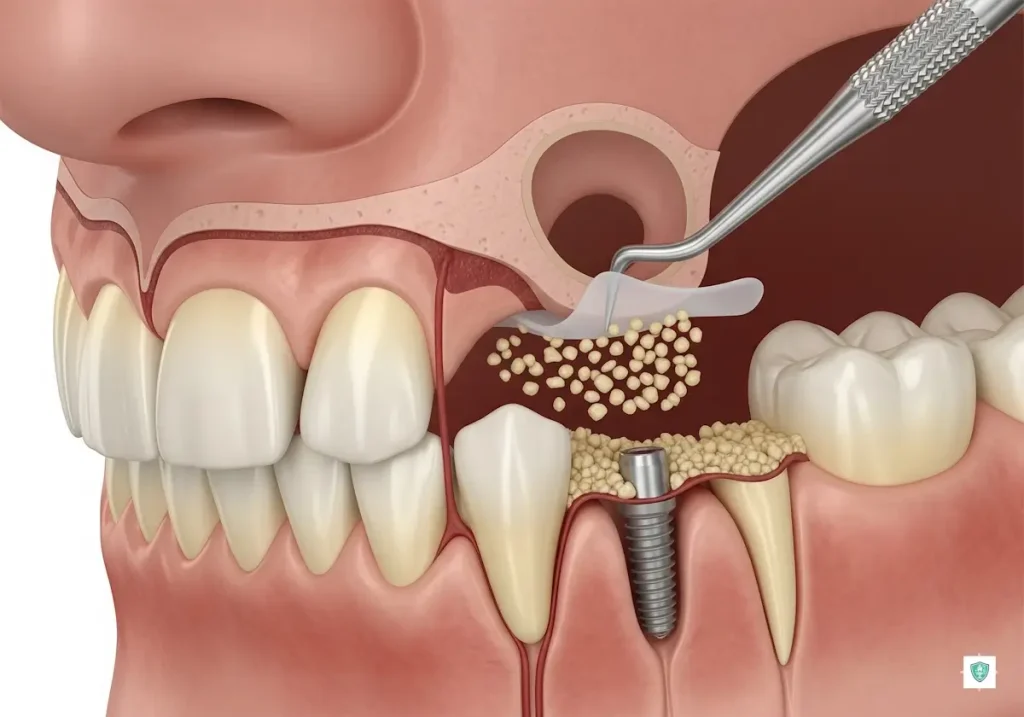
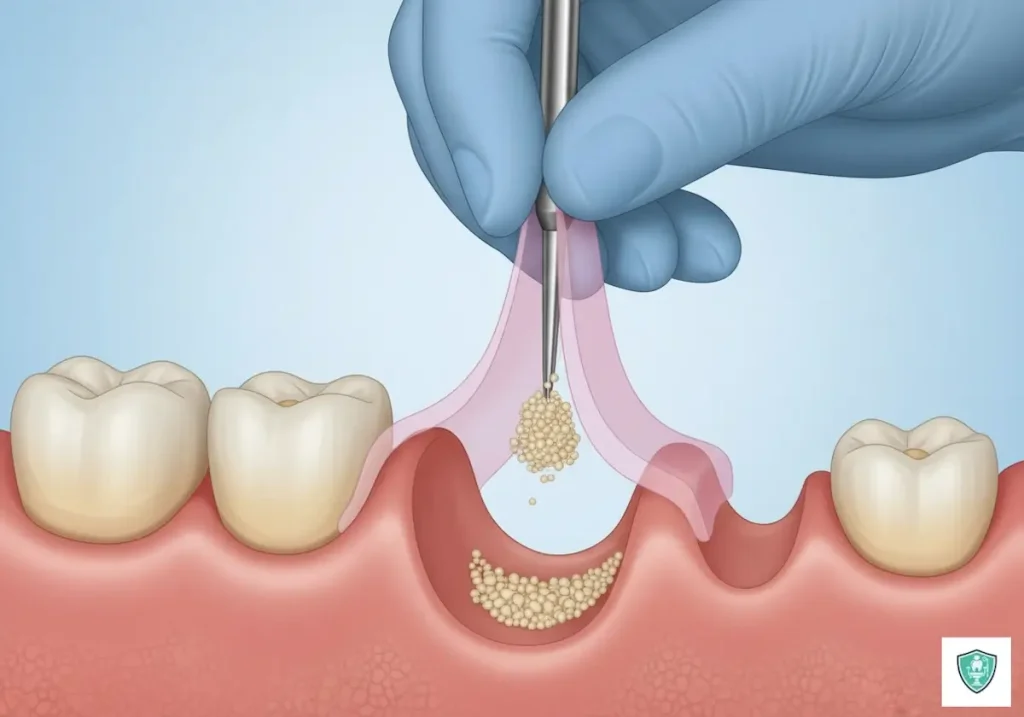
Bone grafting is a bone augmentation procedure used to strengthen missing or weak jawbone. Graft material, obtained from various sources, is placed on the jawbone and integrates with it over time. This provides the durable bone foundation necessary for implant treatment.
Thanks to graft applications, many patients who could not have implants in the past can now benefit from implant treatment.
Types of Bone Grafts
Bone grafts are divided into different categories based on their source:
- Autograft: Bone tissue taken from the patient’s own body (for example, the tip of the jaw or the hip bone) is used. It is one of the most compatible and reliable methods.
- Allograft: Human-sourced, specially processed, ready-made bone tissue is used. It is a safe and common option.
- Xenograft: Obtained from animal-derived (usually bovine) bone tissue. It has a high rate of integration with the jawbone.
- Synthetic graft: Consists of biocompatible materials produced in a laboratory environment. It has become a popular choice in recent years.
The type of graft to be used is determined by the patient’s needs and the physician’s evaluation.
In Which Situations Is It Applied?
Bone grafting is preferred in the following cases:
- Osteoporosis after long-term tooth loss
- Weakening of bone tissue due to periodontal diseases
- Loss of jaw bone due to trauma or accident
- For support purposes before sinus lifting or implant-supported prostheses
Bone grafting, especially before implant planning, is a practice that directly affects the success of the treatment.
Treatment Process
Bone graft treatment is a step-by-step process:
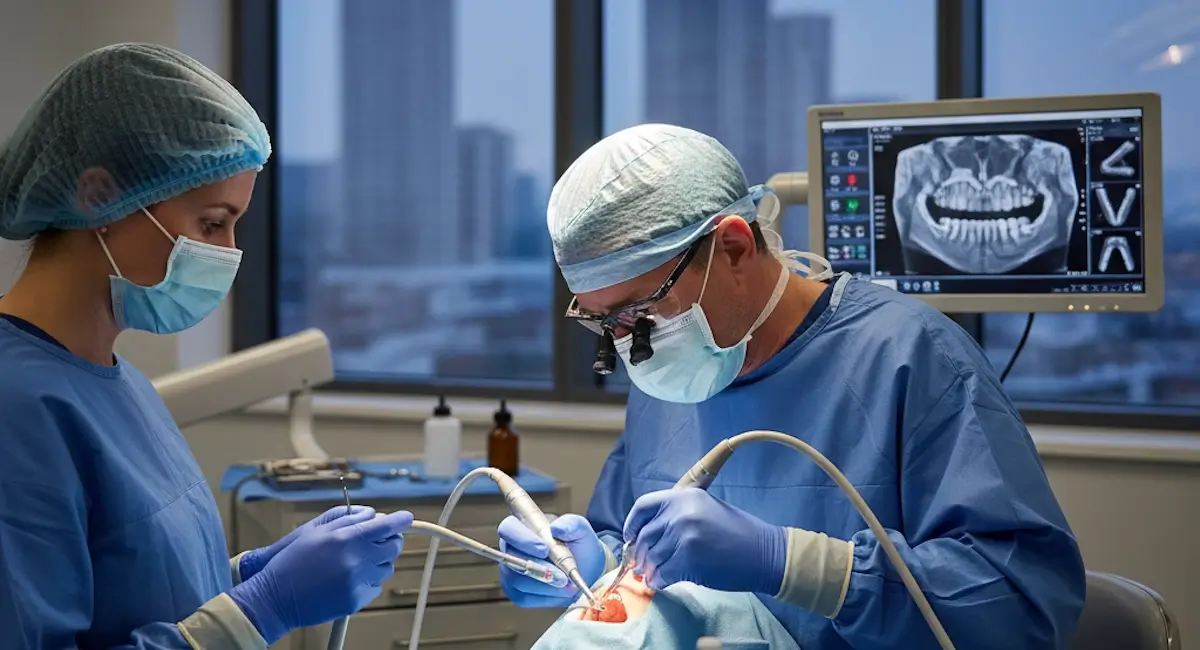
- Examination and planning: The jawbone is examined with panoramic x-ray or 3D imaging.
- Surgical application: Under local anesthesia, appropriate graft material is added to the missing area.
- Healing process: It may take 4-9 months for the graft to fuse with the jawbone.
- Implant application: Once healing is complete, implant treatment can be performed safely.
In this process, it is very important for the success of the treatment that the patient pays attention to oral hygiene and does not neglect regular check-ups.
Advantages
- Provides the necessary bone support for the implant
- Increases long-term implant success
- Provides aesthetic and functional improvement in the jaw bone
- It makes it possible to perform implants on a wider group of patients.
Risks and Things to Consider
While bone grafting is a safe procedure, it carries some risks. Infection, graft failure, or swelling can occur, although rare. Smoking, systemic diseases, and oral hygiene are factors that affect this process. Therefore, treatment should be planned and monitored by experienced physicians.
Bone Graft Applications in Antalya
Antalya is one of the centers where modern techniques are applied in dentistry. Specialists in the region achieve successful results in bone graft treatment. Dr. Hatice Çetin offers her patients appropriate solutions for bone strengthening procedures prior to implant placement.