
What are All on 4 and All on 6?
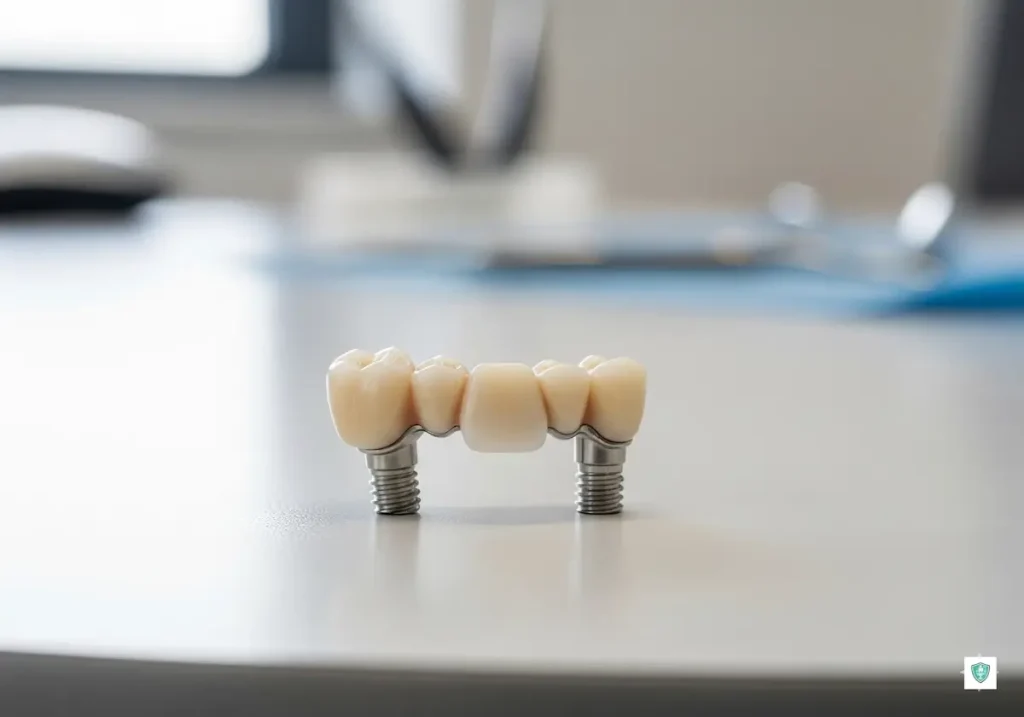
All-on-4 and All-on-6 implant systems are based on the principle of placing a fixed prosthesis on four or six implants for individuals experiencing complete edentulism. While traditional methods require implant placement for every tooth, these systems offer a more economical and practical solution with fewer implants.
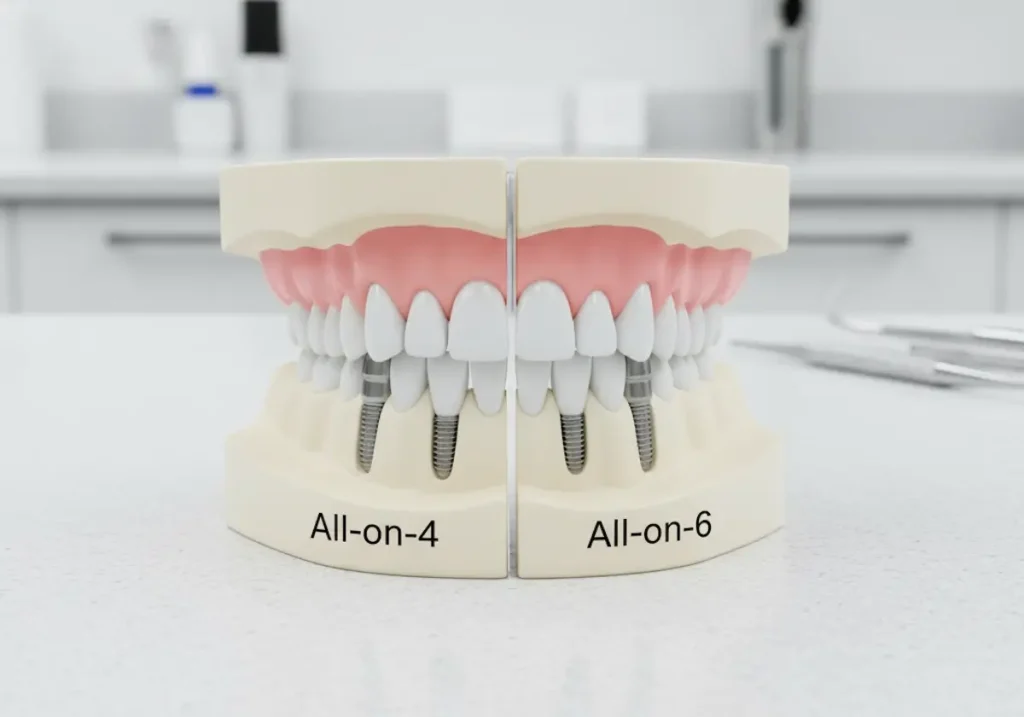
- All on 4: Fixed prosthesis is applied by placing 4 implants in the lower or upper jaw.
- All on 6: Stronger support is provided by placing 6 implants in the lower or upper jaw.
Advantages
- Using a fixed denture: Instead of a removable denture, a fixed denture gives the feeling of a natural tooth.
- Fewer Implants: It is a more economical and practical method.
- Short Treatment Time: In most cases, a temporary prosthesis can be placed on the same day.
- Aesthetic Smile: Increases facial aesthetics and self-confidence.
- Functional Solution: Restores chewing and speaking functions close to natural teeth.
Differences Between All-on-4 and All-on-6
- Number of Implants: 4 implants are used in All-on-4 and 6 implants are used in All-on-6.
- Support Force: All on 6 provides wider support and is ideal for patients with particularly intense chewing forces.
- Economic Difference: All on 4 may be more economical because fewer implants are used.
Application Process
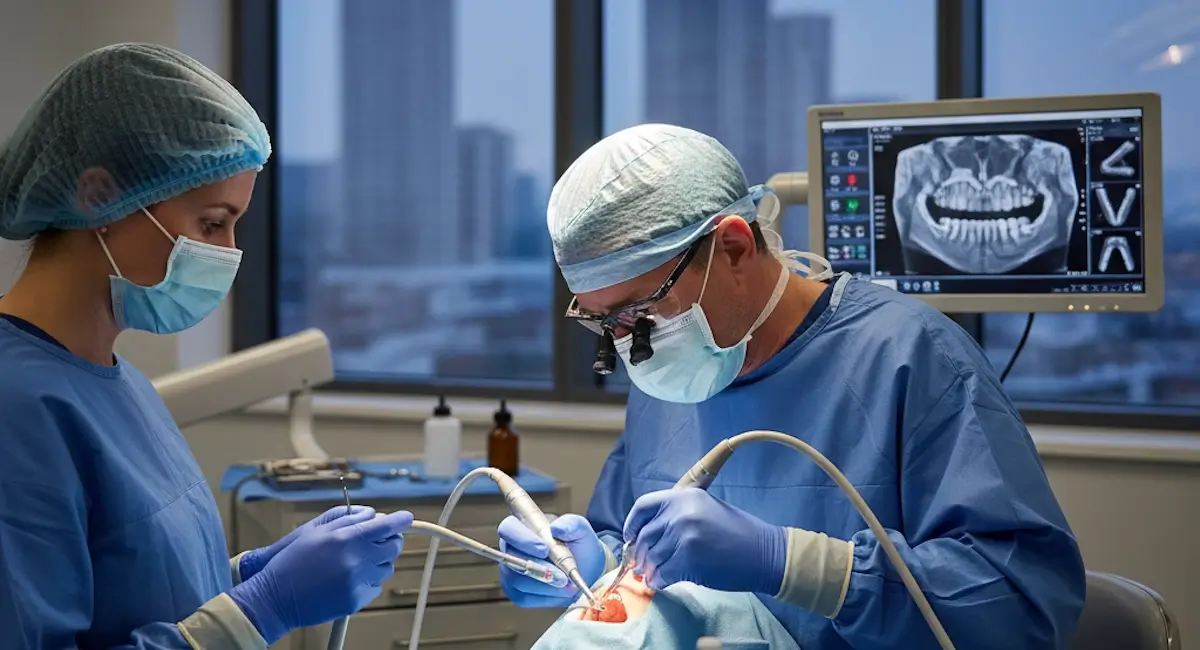
- Examination and Planning: Radiological imaging and detailed examination are performed.
- Surgical Procedure: Implants are placed in the jaw under local anesthesia.
- Temporary Prosthesis: In most cases, a temporary fixed prosthesis is applied on the same day.
- Healing Period: It takes 3-6 months for the implants to fuse with the bone.
- Permanent Prosthesis: After integration, a permanent fixed prosthesis is attached.
Things to Consider After the Procedure
- In the first days, it is necessary to feed with soft foods.
- Regular oral hygiene should be provided.
- Regular check-up appointments should not be missed.
- Smoking and excessive alcohol consumption may negatively affect implant success.