What is Restorative Dentistry?
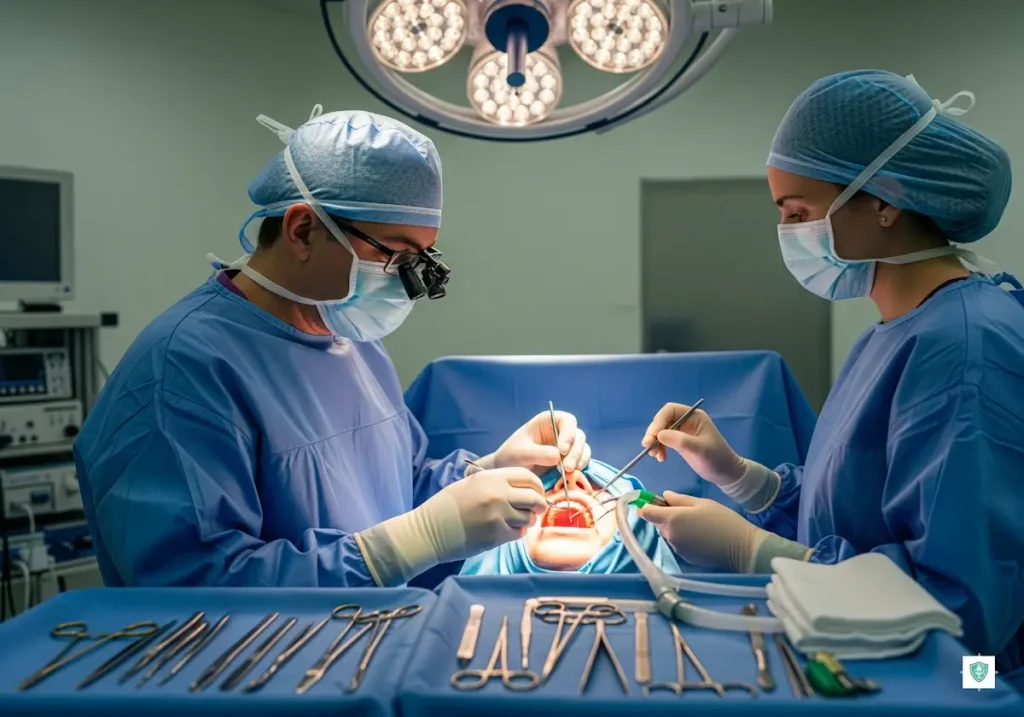
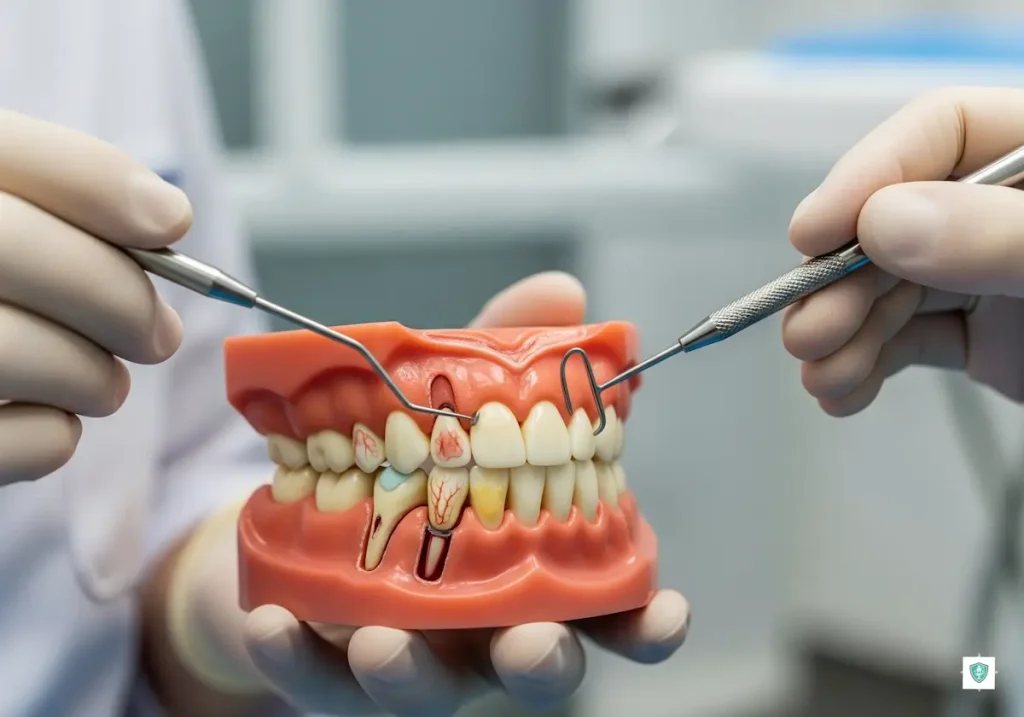
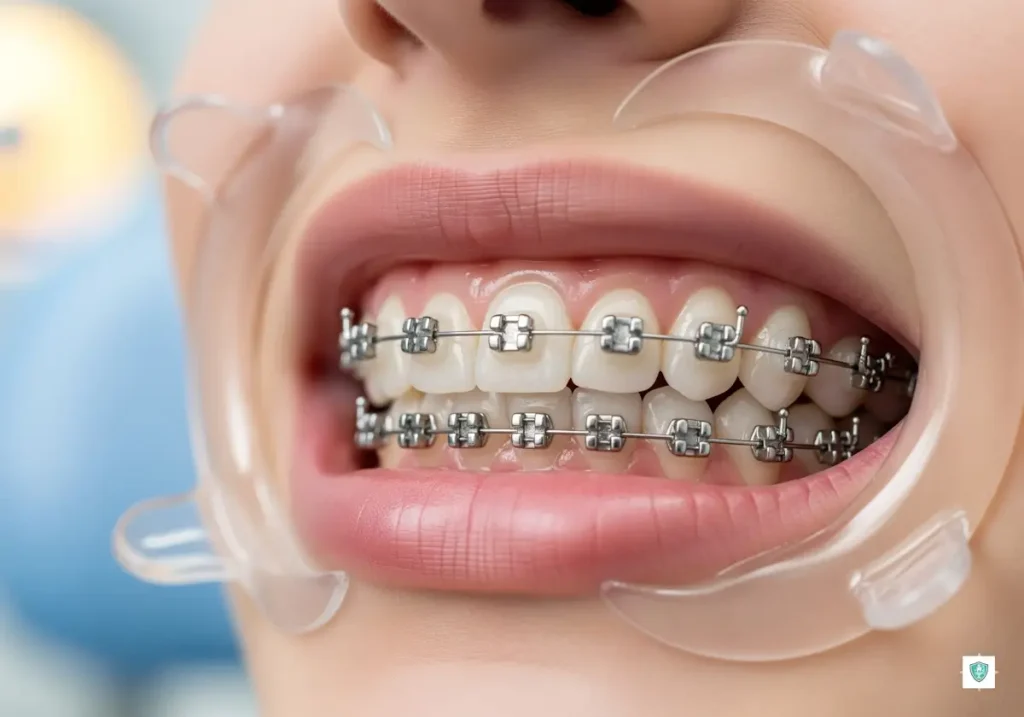
Restorative dentistry is a treatment discipline that restores the structural integrity and function of teeth. Problems such as tooth decay, fractures, abrasions, discoloration, or tooth loss are addressed in this field. Treatments aim to achieve both functional and aesthetic results while preserving the patient’s natural dentition as much as possible. Restorative dentistry offers aesthetic solutions that improve individuals’ oral health while also boosting their self-confidence.
Restorative Dentistry Treatment Methods
Restorative dentistry offers a wide range of treatments. Each method is customized to the extent of tooth damage and the patient’s needs. Here are the most common restorative treatment methods:
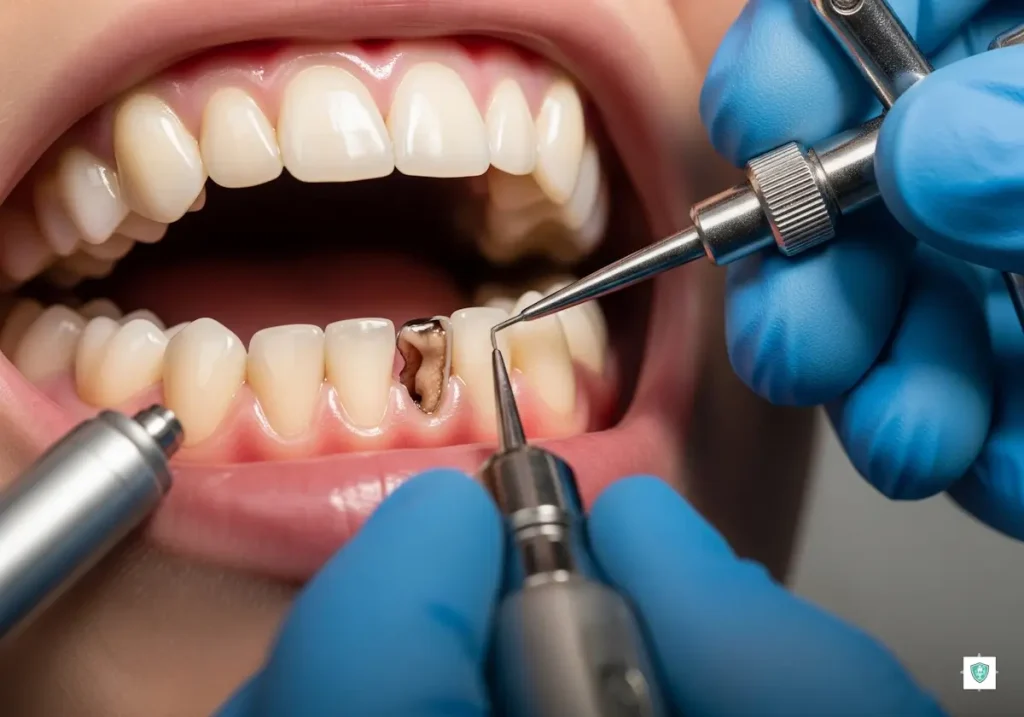
- Fillings: Tooth decay or minor fractures are treated with fillings. Today, composite resin fillings are often preferred due to aesthetic concerns. These fillings match the natural tooth color, providing both a functional and aesthetic solution. Traditional amalgam fillings, however, are still used in some cases for their durability.
- Porcelain Veneers and Crowns: Porcelain veneers or crowns are used to repair severely damaged or broken teeth. Crowns completely cover the entire tooth, providing both durability and a natural appearance. Porcelain veneers are typically applied for aesthetic purposes, correcting imperfections on the tooth’s surface.
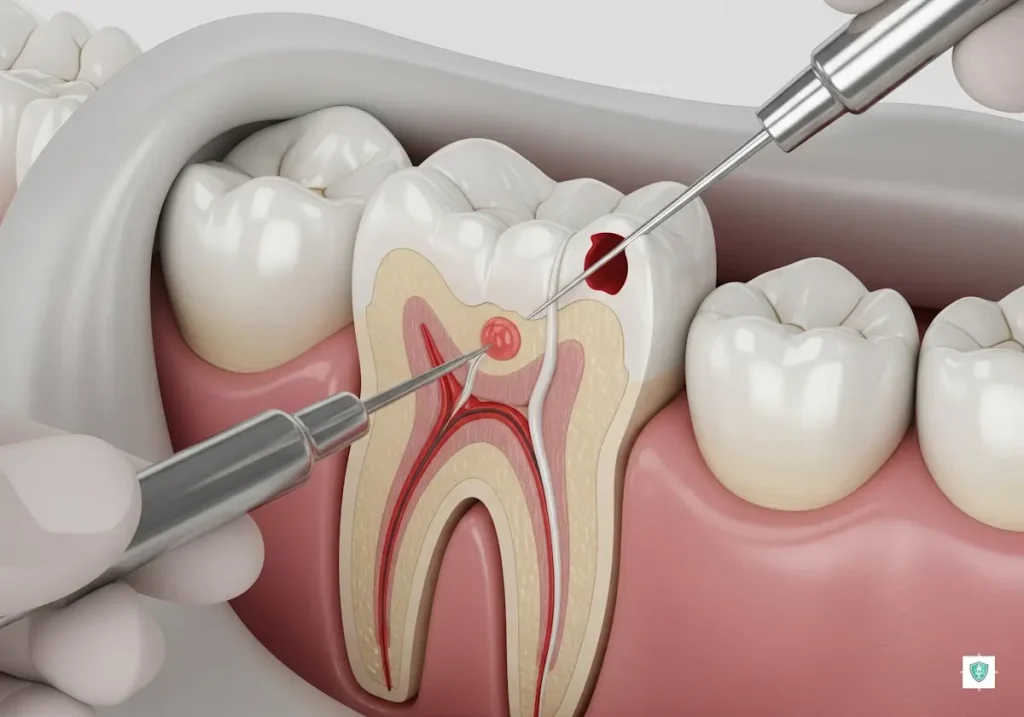
- Root Canal Treatment: Root canal treatment is performed when the pulp, located inside the tooth, is infected or damaged. This procedure removes the infected tissue and protects the tooth. The treatment provides pain and infection relief without the need for tooth extraction.
- Gum aesthetics encompasses the alignment and shaping of the gums. For example, by correcting the appearance of excess gum tissue, known as a “gummy smile,” a more aesthetically pleasing smile can be achieved. When combined with restorative treatments, this procedure provides more holistic results.
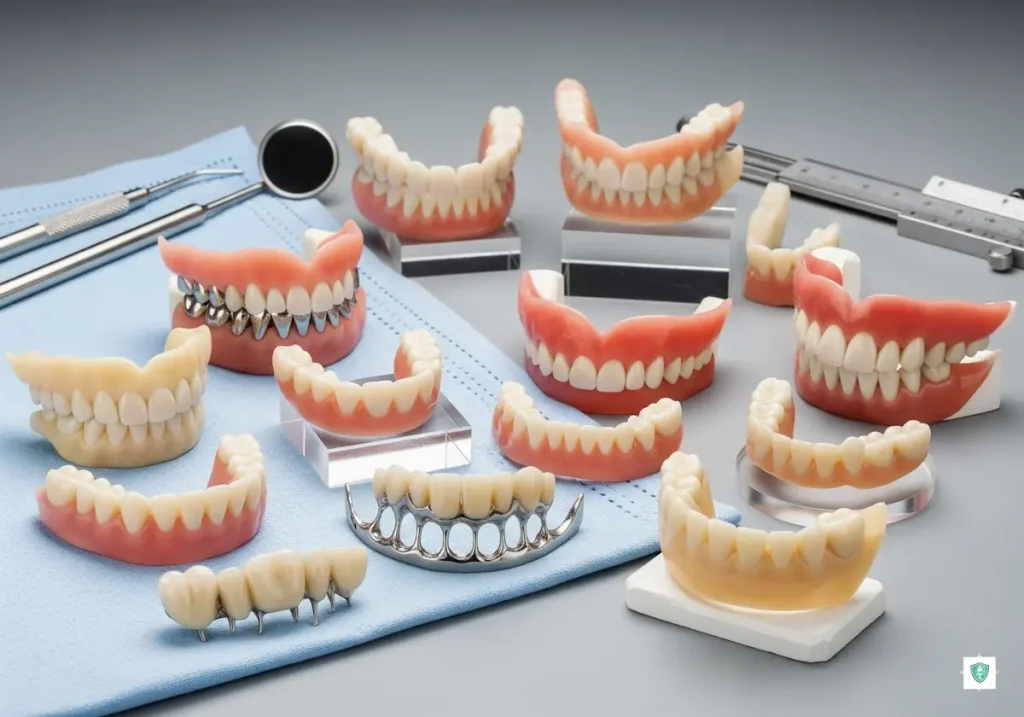
- Dental Prosthetics: Fixed or removable dentures that replace missing teeth are an essential part of restorative dentistry. Dentures improve patients’ quality of life both aesthetically and functionally.
The Restorative Dentistry Process
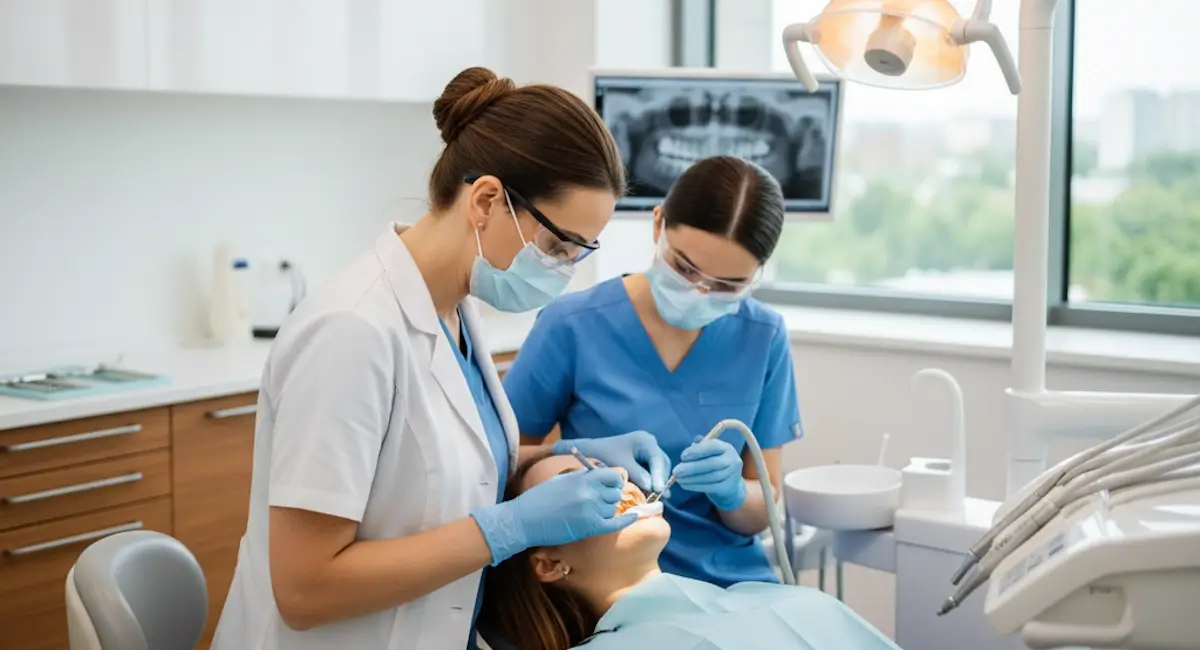
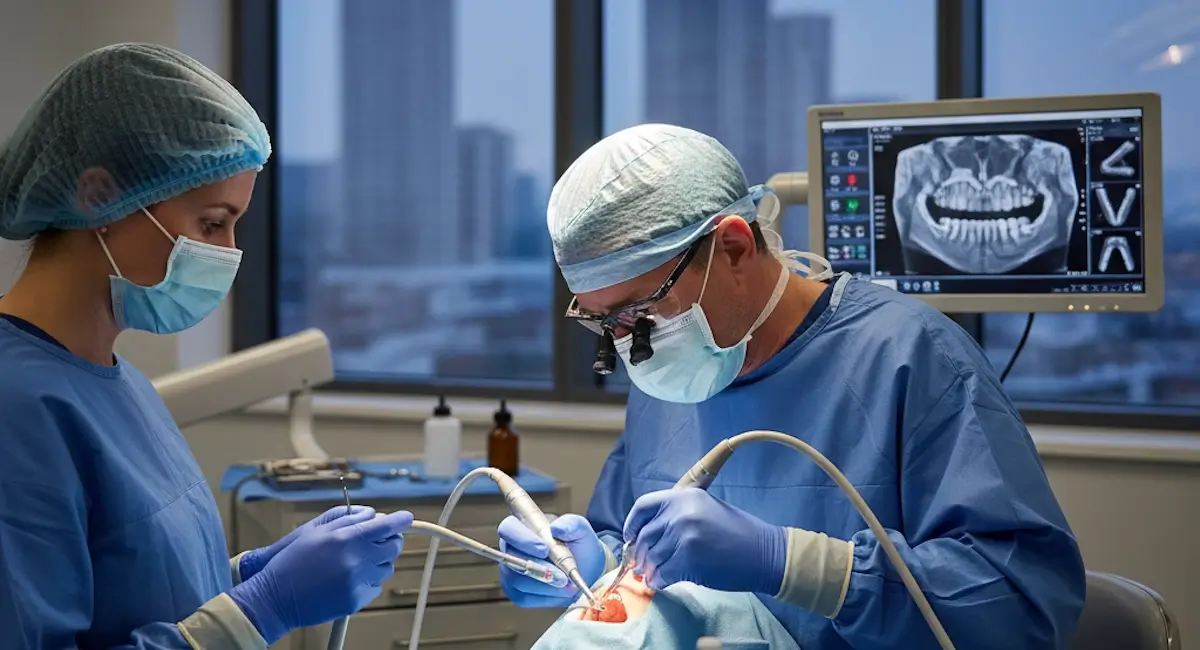
Restorative dentistry treatments are carefully planned and implemented according to the patient’s needs. The process generally includes the following steps:
- Examination and Diagnosis: The dentist conducts a detailed evaluation of the patient’s oral and dental health. X-rays or digital imaging methods are used when necessary.
- Treatment Planning: The most appropriate treatment method is determined based on the patient’s condition. For example, a decision is made whether a decayed tooth requires a filling or a crown.
- Preparation Phase: Before starting the treatment, decay cleaning, tooth shaping or other preliminary procedures are performed.
- Treatment Application: The selected restorative method (filling, crown, root canal treatment, etc.) is carefully applied.
- Care and Checkups: After treatment, regular checkups and oral care recommendations are provided to ensure the longevity of your teeth.
Advantages of Restorative Dentistry
Restorative dentistry offers many benefits, both health and aesthetics:
- Functional Recovery: Basic functions of teeth such as chewing and speaking are restored.
- Aesthetic Appearance: Treatments made with materials that match your natural tooth color will enhance your smile.
- Preventing Tooth Loss: With early intervention, there is no need to extract teeth.
- Increased Self-Confidence: An aesthetic and healthy smile makes a positive contribution to the social life of individuals.
Preventive Approaches in Restorative Dentistry
Preventive habits are crucial to increase the success of restorative treatments and preserve dental health in the long term:
- Regular Tooth Brushing: Brushing twice a day with fluoride toothpaste prevents plaque buildup.
- Use of Dental Floss: Dental floss or an interdental brush should be used to clean the areas between the teeth.
- Regular Checkups: Visiting the dentist at least twice a year ensures early detection of potential problems.
- Healthy Nutrition: Staying away from sugary and acidic foods protects tooth enamel.