

What is Teeth Whitening?
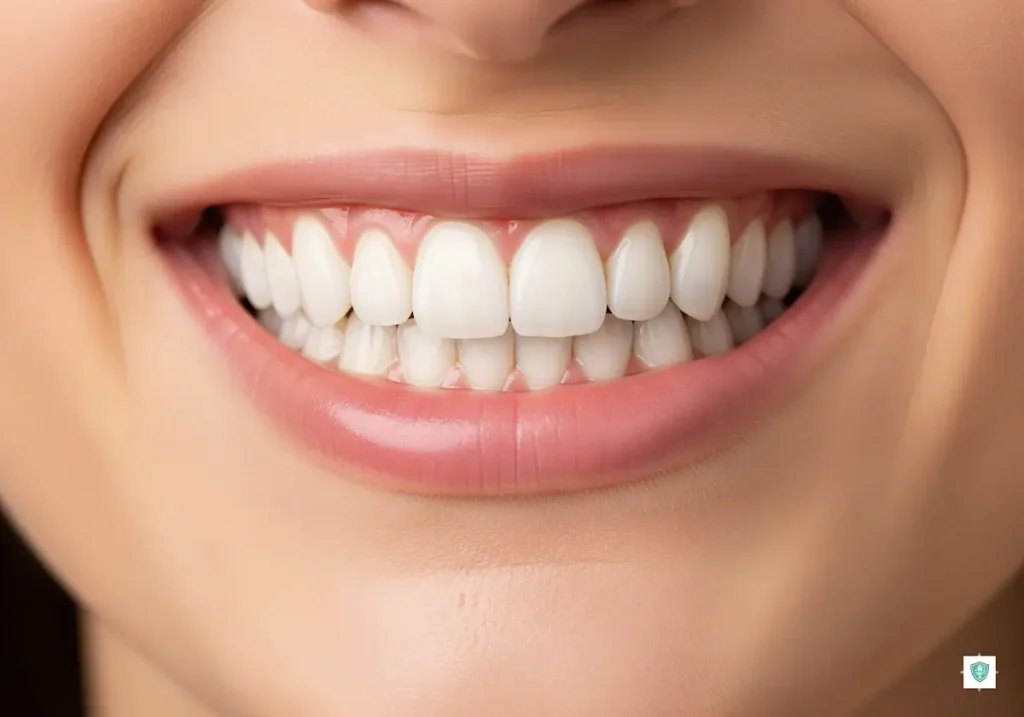
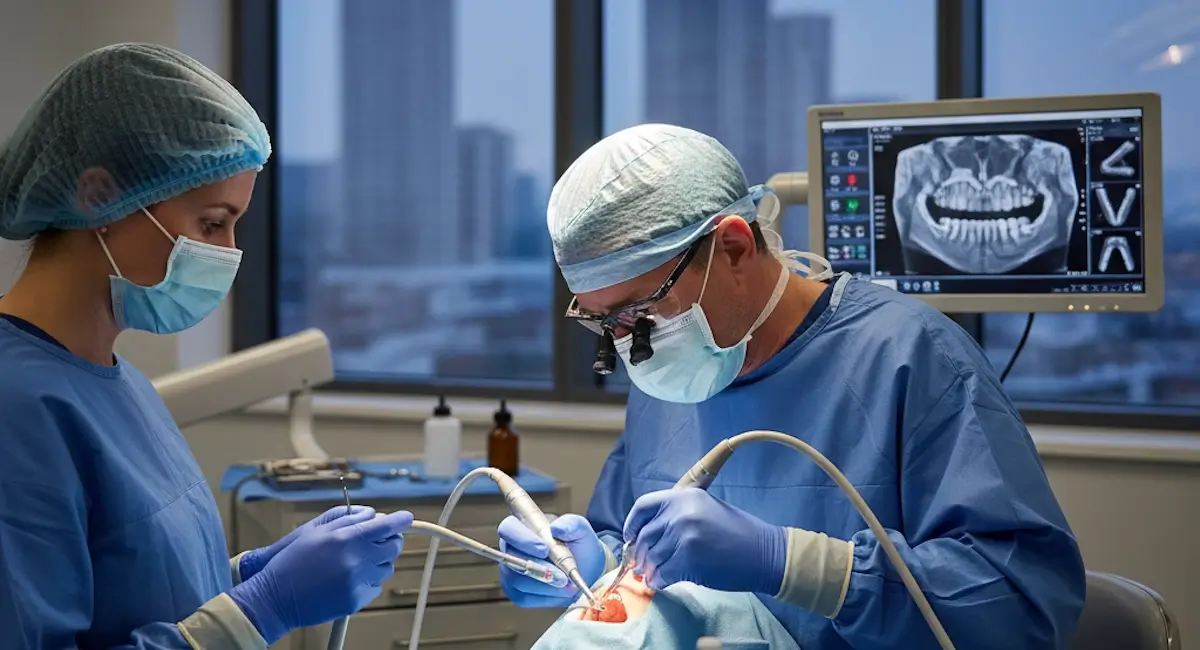
Teeth whitening is a cosmetic dentistry procedure that aims to lighten tooth color without damaging the enamel. The procedure can be performed through in-office whitening performed under the supervision of a professional dentist or with at-home whitening kits.
Teeth Whitening Methods
Clinical Whitening
- It is the method applied by the dentist in the office environment.
- High-density whitening gels are used.
- The process can be completed within 1–2 hours.
- It gives fast and effective results.
Home Whitening
- It is applied with special plates prepared under the supervision of a physician.
- Gels are low concentration and are usually used for 2–4 weeks.
- It has a slower but longer lasting effect.
Combined Methods
By combining clinical and home whitening methods, both fast and permanent results are achieved.
Advantages of Teeth Whitening
- More aesthetic and brighter teeth
- Increased self-confidence and quality of social life
- Being a minimally invasive application
- Does not damage natural tooth enamel
- Fast and long-lasting results
Things to Consider Before and After Teeth Whitening
- Before whitening, the health of your teeth and gums should be checked.
- If there is tooth decay or gum problems, they should be treated first.
- Coffee, tea, red wine and colored foods should be avoided for 48 hours after the procedure.
- Regular dental cleaning and checkups ensure the preservation of whiteness.
Who is it suitable for?
- Individuals with discoloration or yellowing of their teeth
- People with high aesthetic concerns
- Adults with healthy teeth and gums
For pregnant women, breastfeeding women, or people with severe tooth sensitivity, the whitening process should be planned with a physician’s evaluation.