


What are Composite Fillings?
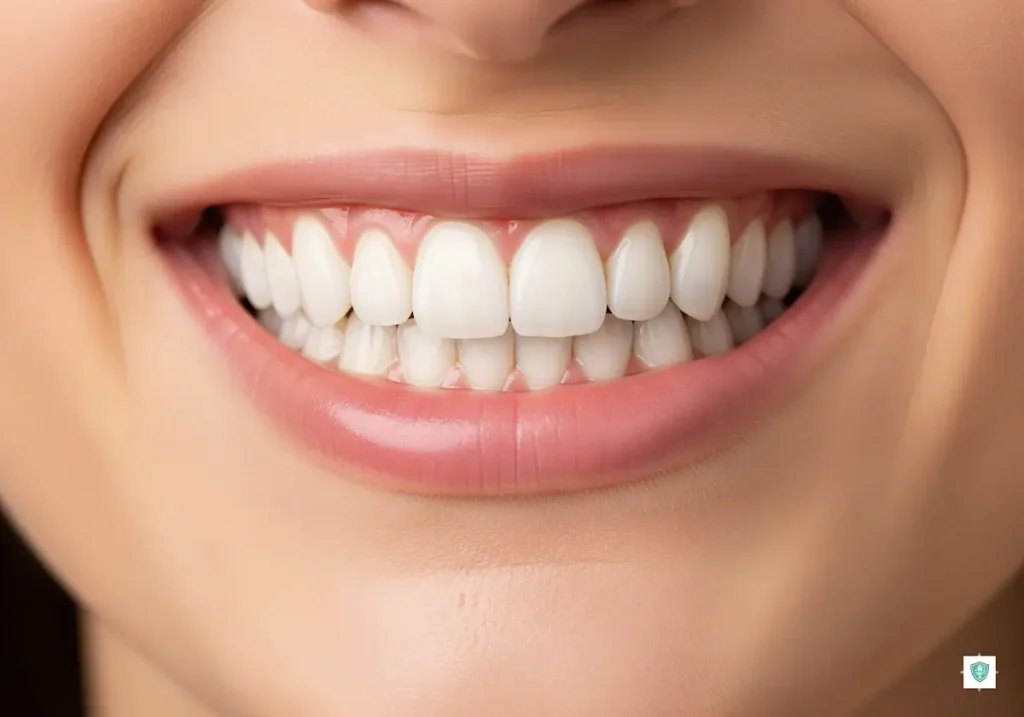
Composite fillings are light-cured fillings made from tooth-colored resin-based materials. They are widely preferred because they provide a natural aesthetic appearance and easily conform to the tooth’s shape.
Areas of Use of Composite Fillings
- Treatment of cavities
- Repair of broken or cracked teeth
- Closing the gaps between teeth
- Correction of tooth deformities
- Smile aesthetics applications
Advantages of Composite Fillings
- Aesthetic Appearance: Colour options that match natural tooth colour are available.
- Functional Durability: Resistant to chewing force.
- Minimally Invasive Approach: It is applied with minimum loss of dental tissue.
- Fast Application: Treatment can be completed in a single session.
- Economical Solution: It is more cost-effective than alternative treatments.
Composite Filling Application Process
- The decayed or broken tooth area is cleaned.
- The tooth surface is roughened with a special acid.
- The bonding agent is applied.
- The composite material is deposited in layers.
- Each layer is hardened with a special light device.
- A natural appearance is achieved by shaping and polishing the filling.
Disadvantages of Composite Fillings
As with every treatment method, composite fillings also have some limitations:
- It is prone to discoloration over time.
- It is slightly less durable than metal fillings.
- Color changes may occur in the long term due to factors such as tea, coffee and cigarettes.

Lifespan of Composite Fillings
With proper application and regular maintenance, composite fillings can last an average of 5–10 years. Regular dental checkups extend the life of fillings and help detect potential problems early.
Things to Consider After the Procedure
- Extremely hot or cold foods should be avoided for the first few hours.
- Caution should be exercised in consuming hard foods.
- Regular oral hygiene should be maintained and dental floss should be used.
- Regular dental check-ups should not be neglected.